01
What a Thermal Break Actually Does Inside an Aluminum Frame
A thermal break is a continuous polyamide strip — typically 24 mm to 34 mm wide — bonded between the outer and inner aluminum profiles of a window frame.
That strip has roughly 500 times less thermal conductivity than aluminum itself. In Dubai, where exposed aluminum frame surfaces regularly reach 70–80 °C between June and September, an unbroken frame channels that heat directly indoors, inflating cooling loads and triggering condensation where hot metal meets chilled interior air. The polyamide barrier cuts heat conductance through the frame by 50–70% compared with standard aluminum profiles, measurably reducing what your HVAC system has to compensate for each summer.
02
Glass Specification for Dubai's Solar and Humidity Conditions
We specify 6+12+6 mm double-glazed units as our standard configuration for Dubai villas.
The 12 mm argon-filled cavity brings the unit's centre-of-glass U-value to roughly 1.1 W/m²K. On south- and west-facing openings, we add a solar-control low-E coating that limits solar heat gain coefficient (SHGC) to 0.25–0.35, cutting radiant heat through the glass by up to 60% versus clear float. Because Dubai's municipal water supply carries 500–700 mg/L of dissolved solids per DEWA data, we apply a hydrophobic nano-coating at installation — this slows mineral scale buildup on glass surfaces and reduces the frequency of descaling maintenance clients need to manage.
03
Why Sealant Choice Matters More in Dubai Than Elsewhere
Standard-grade silicone sealants are rated for continuous exposure up to around 50 °C.
Dubai frame surfaces exceed that regularly for four months of the year. We use only high-modulus, UV-stabilized silicone classified for Gulf climates, which maintains adhesion and flexibility at sustained temperatures above 70 °C. Perimeter sealant failure is the most common cause of dust and water ingress on Dubai sliding windows — not frame distortion. The Shamal wind events of May through July deposit fine silica particulate that finds every compromised joint. We inspect and re-seal perimeter beads as part of any maintenance visit, and we advise clients to schedule that check annually, particularly after the Shamal season ends in late July.
04
Dubai Municipality Permits for Window Installations
Replacing a window within its existing structural opening on a like-for-like basis generally does not require a permit.
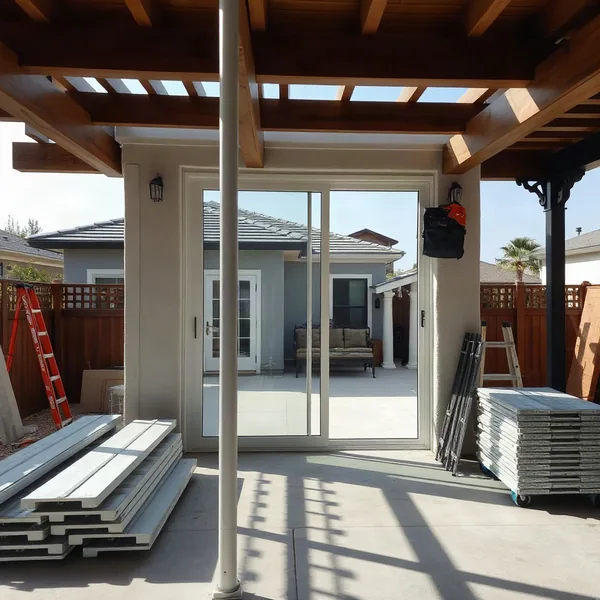
Enlarging an opening, cutting a new one, or installing windows as part of a structural addition — a glazed pergola wall, for example — does require a No Objection Certificate and building permit through Dubai Municipality before fabrication can begin. That process requires stamped structural drawings from a licensed engineering consultant and typically adds 2–6 weeks to the project timeline. We identify permit obligations at the initial survey stage so clients can engage the required consultant early and avoid stop-work risk during installation.
05
Integrating Sliding Windows With Pergolas and Glazed Outdoor Spaces
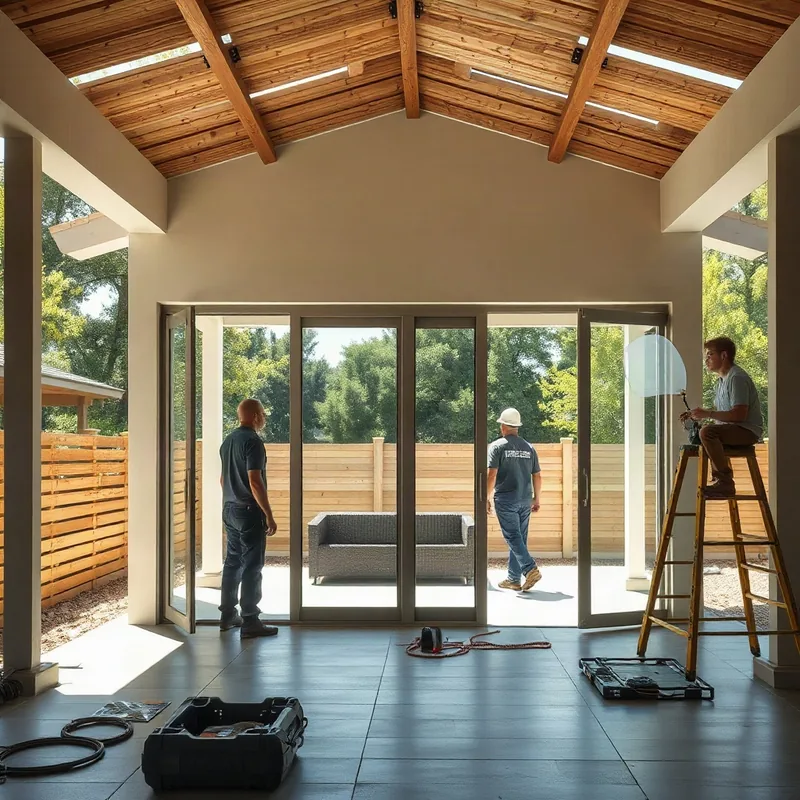
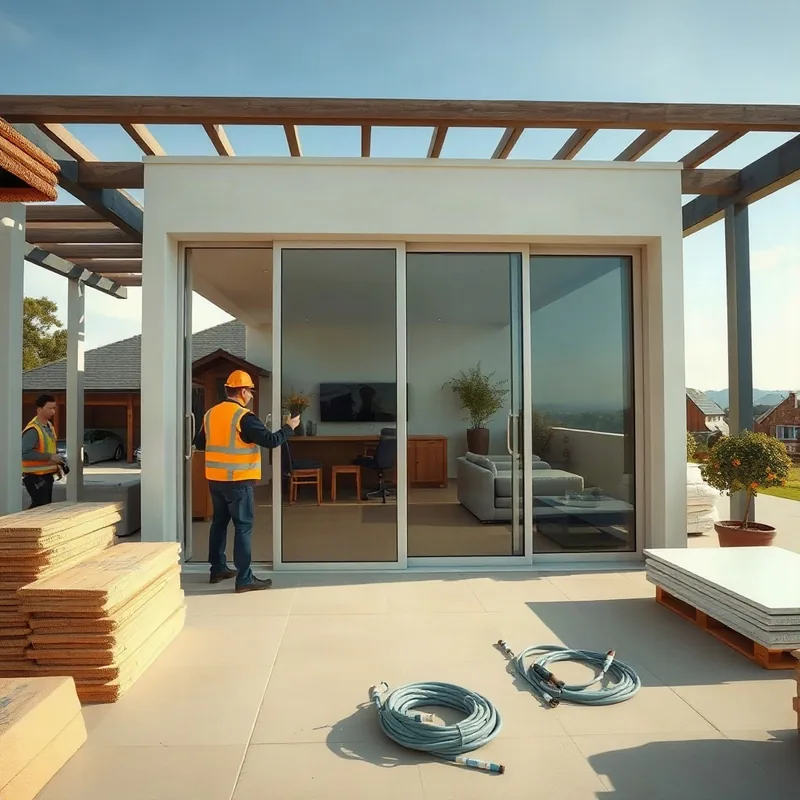
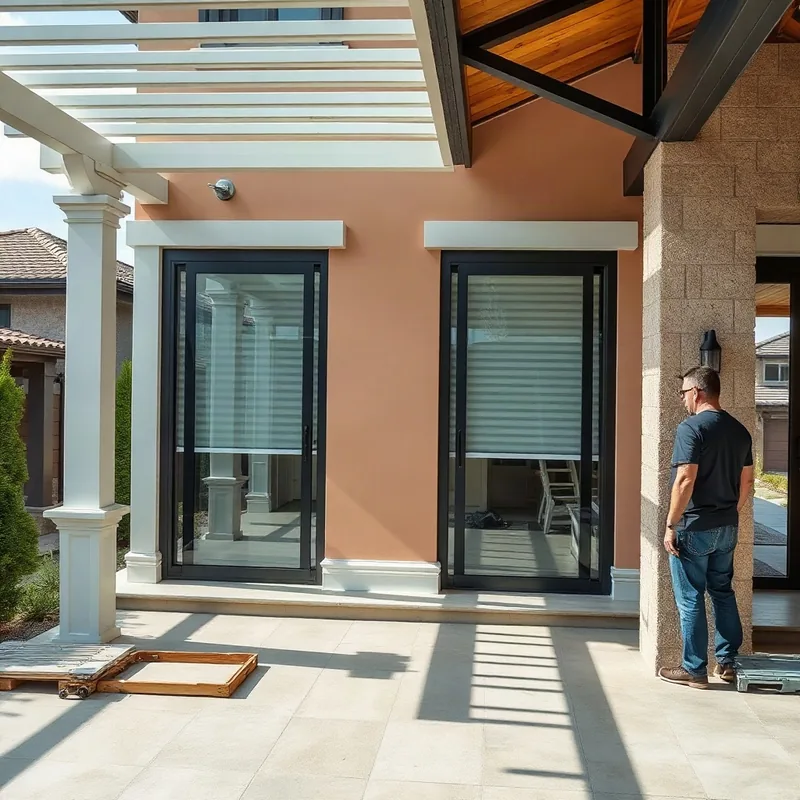
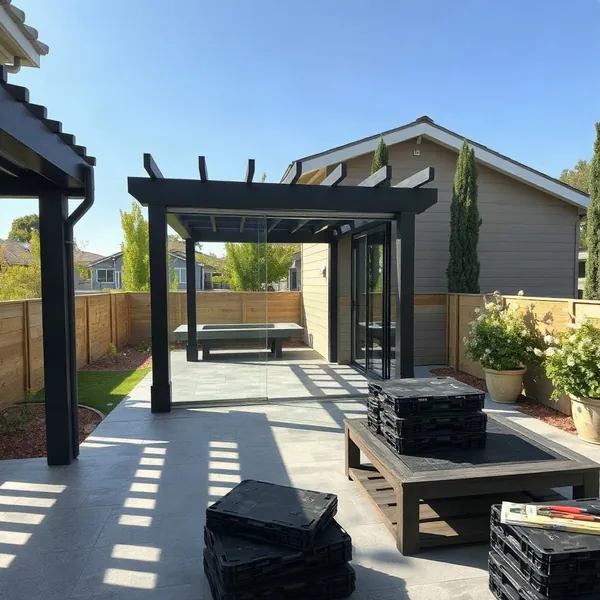
Much of our sliding window work connects directly to the pergola and glazed enclosure projects we build for Dubai villa owners.
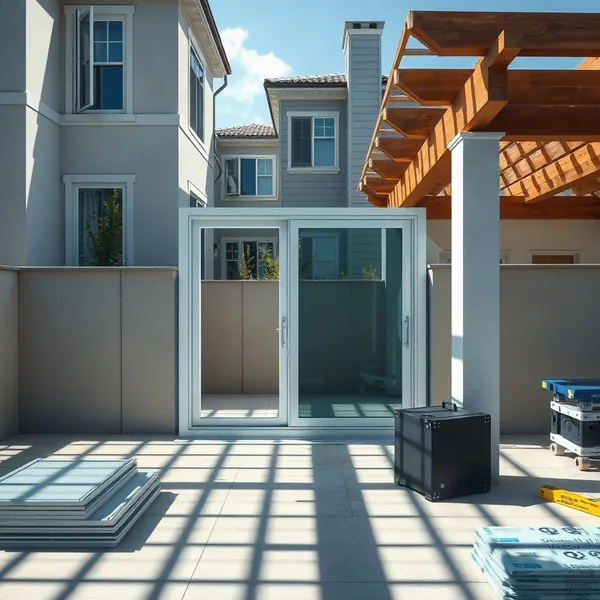
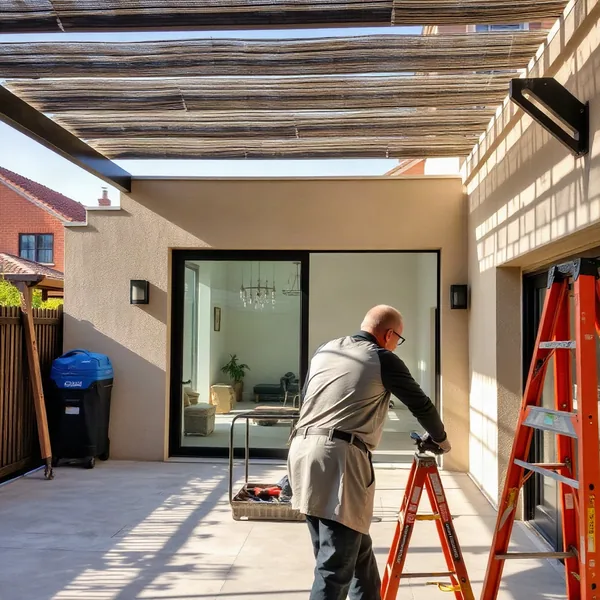
A louvered pergola that closes off a rear terrace often needs thermally broken sliding panels to convert the covered outdoor space into a usable year-round room without triggering a full structural tie-in to the main building. Because Dubai's residential villa stock — built largely between 2000 and 2015 — features lightweight rear terraces with limited load capacity, freestanding pergola frames with integrated thermally broken sliding walls let us deliver enclosed, air-conditioned garden rooms that stay within the terrace's structural limits. This is one of the more technically specific intersections in our service range.
06
Frame Maintenance Intervals in Dubai's Dust and Humidity Environment
Thermally broken sliding windows require more frequent maintenance in Dubai than in temperate climates.
We recommend flushing tracks with clean water and applying a dry PTFE lubricant every 3–4 months — more frequently during Shamal season when silica-laden dust accumulates in rollers and weatherstrips within days of a storm. Hard-water scale from Dubai's desalinated supply builds inside bottom tracks and on glass edges; a diluted citric-acid solution applied every 6 months prevents abrasive scale from wearing roller bearings prematurely. Sealant integrity should be inspected annually. Following these intervals, thermally broken aluminum frames typically maintain smooth operation and weather-tight performance for 15–20 years in the Dubai environment.